
Embark on a journey into the realm of Top Investment Strategies, where diversification and risk management play pivotal roles in maximizing returns. Delve into the world of investment planning with a blend of expertise and insight, offering a unique perspective that captivates the mind.
Explore the nuances of long-term versus short-term strategies, uncovering the secrets behind successful investment approaches utilized by industry luminaries.
Top Investment Strategies
Investing in the financial markets requires a well-thought-out strategy to achieve long-term financial goals and build wealth over time. Diversification, risk management, and choosing between long-term and short-term strategies are crucial aspects of successful investing.
Diversification in Investment Strategies
Diversification is a risk management technique that involves spreading investments across different asset classes, industries, and geographic regions. By diversifying your portfolio, you can reduce the impact of market volatility on your overall returns. For example, instead of investing all your money in one stock, you can spread it across stocks, bonds, real estate, and commodities to minimize risk.
Importance of Risk Management in Investment Planning
Risk management is essential in investment planning to protect your capital from potential losses. By assessing your risk tolerance and diversifying your investments, you can mitigate the impact of market fluctuations and unexpected events. It’s crucial to have a well-defined risk management strategy to navigate through various market conditions and achieve your financial goals.
Long-term vs. Short-term Investment Strategies
Long-term investment strategies involve holding assets for an extended period, typically five years or more, to benefit from compounding returns and ride out market fluctuations. On the other hand, short-term strategies focus on making quick profits by capitalizing on short-term market trends and price movements. While long-term strategies are more stable and less risky, short-term strategies can be more volatile and require active monitoring.
Examples of Successful Investment Strategies
Renowned investors like Warren Buffett, Peter Lynch, and Ray Dalio have employed successful investment strategies that have stood the test of time. For example, Warren Buffett’s value investing approach involves buying undervalued stocks of fundamentally strong companies and holding them for the long term. Peter Lynch’s strategy of investing in what you know and understanding the companies you invest in has also yielded impressive returns.
Ray Dalio’s principles of diversification, risk parity, and asset allocation have helped him build a successful hedge fund and navigate complex market environments.
Investment Advice
When it comes to managing your finances and making smart investment decisions, seeking advice from investment advisors can be extremely beneficial. These professionals are well-equipped with knowledge and experience to guide clients in navigating the complex world of investments.
Role of Investment Advisors
Investment advisors play a crucial role in helping clients make informed decisions about where to invest their money. They analyze market trends, assess risk tolerance, and create tailored investment strategies to help clients achieve their financial goals.
Significance of Personalized Investment Advice
- Personalized investment advice takes into account an individual’s unique financial situation, goals, and risk tolerance, ensuring that the investment strategy is well-suited to their needs.
- By customizing investment advice, advisors can help clients optimize their investment portfolio and maximize returns while minimizing risks.
- One-size-fits-all investment advice may not align with an individual’s specific financial objectives, highlighting the importance of personalized guidance.
Common Mistakes to Avoid When Seeking Investment Advice
- Not clearly defining financial goals and risk tolerance before seeking advice can lead to mismatched recommendations.
- Relying solely on tips or hot investment trends without conducting thorough research can be risky and result in poor investment decisions.
- Choosing an advisor without verifying their credentials, experience, and track record may lead to receiving inadequate or biased advice.
Aligning Investment Advice with Financial Goals
It is essential to align investment advice with your financial goals to ensure that your portfolio is working towards achieving your objectives. By clearly communicating your long-term goals and risk tolerance to your advisor, you can work together to develop a strategy that fits your needs.
Investment Banking
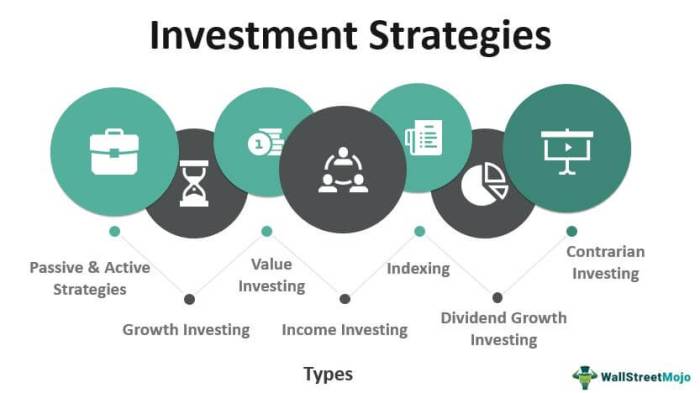
Investment banking plays a crucial role in the financial sector, specializing in providing financial advisory services, underwriting securities, and facilitating corporate restructurings.
Key Functions of Investment Banking
- Advising companies on mergers and acquisitions
- Raising capital through issuing stocks and bonds
- Providing strategic advice to clients on various financial transactions
Difference between Traditional Banking and Investment Banking
- Traditional banks focus on deposits, loans, and other traditional banking services for individuals and businesses.
- Investment banks primarily deal with large corporations, institutional investors, and governments by offering specialized financial services.
Role of Investment Banks in Capital Markets
- Underwriting securities to help companies raise capital
- Providing market-making services to facilitate trading of securities
- Offering advisory services on capital structure and financing strategies
Examples of Major Investment Banking Firms
- Goldman Sachs: Known for its investment banking services and global presence in financial markets.
- J.P. Morgan Chase: Offers a wide range of financial services, including investment banking, asset management, and private banking.
- Morgan Stanley: Specializes in investment banking, wealth management, and institutional securities.
Investment Horizon
An investment horizon refers to the length of time an investor expects to hold an investment before needing the funds. It is a crucial element in financial planning as it directly impacts the investment strategy, risk tolerance, and potential returns.
Significance of Investment Horizon
The investment horizon plays a significant role in determining the appropriate investment vehicles and asset allocation for an individual. Short-term goals may require more conservative investments, while long-term goals can accommodate higher risk investments for potentially higher returns.
Varying Investment Horizons
Different individuals have varying investment horizons based on their financial goals. For example, a young investor saving for retirement may have a long investment horizon, allowing them to take on more risk for potentially higher returns. On the other hand, someone saving for a down payment on a house in the next few years may have a shorter investment horizon and opt for more stable investments.
Impact on Risk Tolerance
The investment horizon directly affects an individual’s risk tolerance. Investors with longer investment horizons can afford to take on more risk as they have time to ride out market fluctuations and recover from potential losses. Conversely, investors with shorter horizons may prefer lower risk investments to protect their capital.
Adjusting Investment Portfolios
To align investment portfolios with different investment horizons, investors can consider strategies such as diversification, asset allocation, and periodic rebalancing. Young investors with long horizons may focus more on growth assets like stocks, while older investors with shorter horizons may shift towards more conservative assets like bonds.
Investment Opportunities
When looking for investment opportunities, it’s important to consider various types of assets that can help grow your portfolio. Whether it’s stocks, bonds, real estate, or other alternative investments, each option comes with its own set of risks and rewards. Evaluating these opportunities requires a thorough analysis of factors like market trends, financial performance, and risk management strategies.
Types of Investment Opportunities
- Stocks: Investing in shares of publicly traded companies.
- Bonds: Loaning money to governments or corporations in exchange for periodic interest payments.
- Real Estate: Purchasing properties for rental income or capital appreciation.
- Alternative Investments: Including commodities, cryptocurrencies, and private equity.
Factors to Consider
- Economic Conditions: Assess how the economy is performing to gauge investment opportunities.
- Risk Tolerance: Determine your risk appetite and choose investments accordingly.
- Market Research: Conduct thorough research on potential investments before committing capital.
Recognizing Profitable Opportunities
- Look for Undervalued Assets: Identify investments that are trading below their intrinsic value.
- Follow Market Trends: Stay informed about market developments to capitalize on emerging opportunities.
- Seek Expert Advice: Consult with financial advisors or investment professionals for guidance.
Diversifying Your Portfolio
- Spread Risk: Allocate investments across different asset classes to reduce exposure to any single risk.
- Consider Time Horizon: Invest in assets with varying timeframes to balance short-term gains and long-term growth.
- Monitor Performance: Regularly review your portfolio and make adjustments to maintain diversification.
Investment Strategy
Having a well-rounded investment strategy is crucial for success in the financial market. It involves a combination of different elements that work together to achieve your financial goals.
Components of a Well-Rounded Investment Strategy
- Diversification: Spread your investments across different asset classes to reduce risk.
- Risk Tolerance: Understand how much risk you are willing to take on and adjust your investments accordingly.
- Time Horizon: Consider your investment timeline and choose assets that align with your goals.
- Asset Allocation: Determine the mix of stocks, bonds, and other investments that best suit your objectives.
Importance of Setting Clear Investment Objectives
Setting clear investment objectives is essential as it provides a roadmap for your financial journey. It helps you stay focused, make informed decisions, and measure progress towards your goals.
Role of Market Research and Analysis
Market research and analysis are vital in developing an investment strategy. By understanding market trends, economic indicators, and company performance, you can make informed investment decisions that align with your objectives.
Tips for Adapting Investment Strategies to Changing Market Conditions
- Stay Informed: Keep up-to-date with market news and trends to make timely adjustments.
- Rebalance Regularly: Review your portfolio periodically and rebalance to maintain your desired asset allocation.
- Stay Calm: Avoid making impulsive decisions based on short-term market fluctuations.
In conclusion, Top Investment Strategies encapsulate a sophisticated blend of diversification, risk management, and strategic planning. By aligning financial goals with sound advice and seizing lucrative opportunities, investors can navigate the complex landscape of investments with confidence and foresight.
Essential FAQs
How important is diversification in investment strategies?
Diversification plays a crucial role in spreading risk across different asset classes, reducing the impact of volatility on investment portfolios.
What is the significance of risk management in investment planning?
Risk management helps investors protect their capital and minimize potential losses by implementing strategies to mitigate financial risks.
Why is aligning investment advice with financial goals essential?
Aligning investment advice with financial goals ensures that investment strategies are tailored to meet specific objectives, optimizing returns and minimizing risks.


