How Much Do Investment Advisors Charge sets the stage for this enthralling narrative, offering readers a glimpse into a story that is rich in detail with a casual formal language style and brimming with originality from the outset.
Exploring the typical fee structures, the importance of seeking professional advice, and the various investment opportunities, this discussion delves into the intricate world of investment advisors and their charges.
Investment Advisors Charges
When it comes to investment advisors, understanding their fee structure is crucial for investors looking to maximize their returns while managing costs. Investment advisors typically charge fees based on certain models that vary depending on the advisor and the services provided.
Fee Structure
- Percentage of Assets Under Management (AUM): Many investment advisors charge a percentage of the total assets they manage for their clients. This fee typically ranges from 0.5% to 2% of the AUM annually.
- Hourly Rate: Some advisors charge an hourly rate for their services, similar to other professional services. This can range from $100 to $400 per hour depending on the advisor’s expertise.
- Flat Fee: Certain advisors charge a flat fee for specific services or financial plans. This fee is agreed upon upfront and does not vary based on the client’s portfolio size.
Determining Fees
Investment advisors determine their fees based on various factors such as the services offered, the advisor’s experience and expertise, the complexity of the client’s financial situation, and the market conditions. Advisors may also consider the client’s investment goals and risk tolerance when setting their fees.
Comparing Fee Models
- Some advisors may offer a combination of fee models, charging a percentage of AUM for investment management services and an hourly rate for financial planning consultations.
- Robo-advisors, which are automated investment platforms, typically charge lower fees compared to traditional human advisors. They often charge a flat fee or a percentage of AUM, making them a cost-effective option for some investors.
Investment Advice
Seeking professional investment advice is crucial for individuals looking to make informed decisions about their financial future. Investment advisors can provide valuable insights, personalized recommendations, and expert guidance to help navigate the complexities of the financial markets.
Importance of Seeking Professional Investment Advice
- Professional expertise: Investment advisors have the knowledge and experience to analyze market trends, assess risk, and identify opportunities that align with your financial goals.
- Customized strategies: They can tailor investment strategies to your individual needs, risk tolerance, and time horizon, optimizing your portfolio for maximum returns.
- Monitoring and adjustments: Advisors continuously monitor your investments, making necessary adjustments to ensure your portfolio remains on track to meet your objectives.
Examples of Situations Where Investment Advice is Beneficial
- Planning for retirement: An investment advisor can help create a retirement savings plan that accounts for your desired lifestyle and future expenses.
- Managing windfalls: Whether it’s an inheritance or a bonus, advisors can provide guidance on how to best allocate these funds for long-term growth.
- Navigating market volatility: During turbulent times, advisors can offer reassurance, strategic advice, and help prevent knee-jerk reactions that may harm your investments.
Tips for Choosing the Right Investment Advisor
- Evaluate credentials: Look for advisors with relevant certifications, such as CFP (Certified Financial Planner) or CFA (Chartered Financial Analyst).
- Assess experience: Consider the advisor’s track record, years in the industry, and specialization areas to ensure they match your needs.
- Communication style: Choose an advisor who communicates clearly, listens to your concerns, and involves you in the decision-making process.
Investment Banking
Investment banking is a specialized division within the financial sector that focuses on providing various financial services to corporations, governments, and other entities. These services typically include raising capital through underwriting or issuing securities, facilitating mergers and acquisitions, and offering advisory services for complex financial transactions.
Role of Investment Banks
Investment banks play a crucial role in the financial market by acting as intermediaries between companies seeking capital and investors looking to deploy their funds. They help companies raise capital by issuing stocks or bonds, provide guidance on strategic decisions such as mergers and acquisitions, and assist in managing risks associated with complex financial transactions.
Services Offered by Investment Banks
- Underwriting: Investment banks help companies issue stocks and bonds by purchasing them from the issuer and reselling them to investors.
- Mergers and Acquisitions (M&A) Advisory: Investment banks advise companies on potential mergers, acquisitions, or divestitures to help them achieve strategic goals.
- Debt and Equity Financing: Investment banks help companies raise capital by issuing debt or equity securities to investors.
- Financial Advisory: Investment banks provide financial advice and guidance to clients on a wide range of topics, including capital structure optimization and risk management.
- Trading and Sales: Investment banks facilitate trading of securities and provide brokerage services to institutional clients.
Investment Horizon
Investment horizon refers to the length of time an investor expects to hold an investment before selling it. It is a crucial factor in developing an investment strategy as it helps determine the level of risk that can be taken and the potential returns that can be achieved.
Long-Term Investment Horizon
- Long-term investment horizons typically range from five to ten years or more.
- Investors with a long-term horizon are more focused on achieving capital appreciation over time.
- Examples of long-term investments include retirement accounts, college funds, and real estate.
Short-Term Investment Horizon
- Short-term investment horizons usually range from a few months to a year.
- Investors with a short-term horizon are more interested in quick gains and liquidity.
- Examples of short-term investments include day trading, certificates of deposit, and high-yield savings accounts.
Investment Opportunities

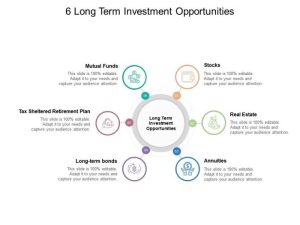
Investment opportunities refer to different avenues where investors can put their money to generate returns. It is essential to identify profitable opportunities and diversify investments for risk management.
Types of Investment Opportunities
- Stock Market: Investing in publicly traded companies by buying shares of stock.
- Real Estate: Buying properties for rental income or capital appreciation.
- Bonds: Loaning money to governments or corporations in exchange for periodic interest payments.
- Mutual Funds: Pooling money with other investors to invest in a diversified portfolio managed by professionals.
Spotting Profitable Investment Opportunities
- Research: Conduct thorough research on the market, industry, and company before investing.
- Financial Analysis: Analyze financial statements, ratios, and performance metrics to assess the potential for returns.
- Market Trends: Stay updated on market trends and developments to identify emerging opportunities.
Diversifying Investment Opportunities
- Asset Allocation: Spread investments across different asset classes like stocks, bonds, and real estate.
- Industry Diversification: Invest in companies from various industries to reduce sector-specific risks.
- Geographical Diversification: Explore international markets to diversify geopolitical and currency risks.
Investment Strategy
An investment strategy is a plan of action designed to achieve specific investment goals. It involves making decisions on how to allocate funds in various financial instruments to maximize returns while managing risks.
Types of Investment Strategies
- Growth Investing: This strategy focuses on investing in companies that are expected to grow at an above-average rate compared to the overall market. Investors using this strategy seek capital appreciation by investing in companies with strong growth potential.
- Value Investing: Value investors look for stocks that are undervalued by the market. They believe that the market has overlooked the true value of these stocks and aim to capitalize on the opportunity when the market corrects its mistake.
- Income Investing: Income investors prioritize generating a steady stream of income from their investments. They often invest in dividend-paying stocks, bonds, real estate investment trusts (REITs), or other income-generating assets.
Successful Investment Strategies by Renowned Investors
- Warren Buffett: Buffett is known for his value investing approach. His strategy involves finding undervalued companies with strong fundamentals and holding onto them for the long term.
- Peter Lynch: Lynch is a proponent of growth investing. He famously managed the Fidelity Magellan Fund and achieved remarkable returns by investing in companies with high growth potential.
- John Templeton: Templeton was a successful global investor who followed a contrarian approach. He believed in buying when others were fearful and selling when others were greedy, leading to successful investments across different markets.
In conclusion, understanding how investment advisors charge for their services is crucial for making informed financial decisions. By knowing the fee structures, importance of professional advice, and various investment opportunities available, individuals can navigate the investment landscape with confidence and clarity.
FAQ Explained
How do investment advisors determine their fees?
Investment advisors typically determine their fees based on a percentage of assets under management or a flat fee for their services.
What are some tips for choosing the right investment advisor?
When selecting an investment advisor, consider their experience, qualifications, investment philosophy, and fee structure to ensure they align with your financial goals.
How can one spot profitable investment opportunities?
Identifying profitable investment opportunities involves thorough research, analysis of market trends, and understanding the potential risks and returns associated with each opportunity.
What are the different types of investment strategies?
Investment strategies can vary from growth investing focused on capital appreciation to value investing centered on undervalued assets, or income investing seeking regular income from investments.