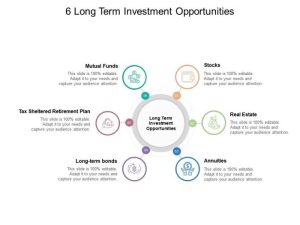
Investment Advice for 2024 sets the stage for this enthralling narrative, offering readers a glimpse into a story that is rich in detail with a focus on the current investment landscape, key trends, and global events shaping decisions.
Explore how investment advisors play a crucial role, the significance of investment banking, the concept of investment horizon, emerging opportunities, and effective strategies for the year ahead.
Investment Advice for 2024

As we look ahead to 2024, the investment landscape is shaped by various factors that are influencing market trends and opportunities. It is crucial for investors to stay informed and adapt their strategies accordingly to navigate the dynamic environment.
Current Investment Landscape
The current investment landscape is characterized by volatility and uncertainty, driven by factors such as geopolitical tensions, economic indicators, and technological advancements. Investors need to carefully assess risks and opportunities to make informed decisions.
Key Trends and Market Forecasts for 2024
- Technological Innovation: The rapid pace of technological innovation is expected to continue shaping various industries, presenting opportunities for investors in sectors such as artificial intelligence, cybersecurity, and renewable energy.
- Economic Recovery: With the global economy gradually recovering from the impacts of the pandemic, sectors such as travel, hospitality, and retail may see a resurgence, offering potential investment opportunities.
- ESG Investing: Environmental, Social, and Governance (ESG) considerations are gaining prominence among investors, driving the demand for sustainable and responsible investment options in 2024.
Impact of Global Events on Investment Opportunities
Global events such as political developments, trade agreements, and natural disasters can have a significant impact on investment opportunities. It is essential for investors to stay attuned to these events and their implications on different markets to make well-informed investment decisions.
Investment Advisor
Investment advisors play a crucial role in helping clients navigate the complex world of investments to make informed decisions that align with their financial goals and risk tolerance.
Benefits of Using an Investment Advisor
- Personalized Advice: Investment advisors provide tailored recommendations based on individual financial situations and goals.
- Expertise and Experience: Advisors bring knowledge and experience to the table, helping clients make well-informed investment decisions.
- Portfolio Diversification: Advisors assist in creating a diversified investment portfolio to manage risk effectively.
- Continuous Monitoring: Advisors regularly monitor investments and adjust strategies as needed to optimize returns.
Tips to Choose a Reliable Investment Advisor
- Qualifications and Credentials: Look for advisors with relevant certifications such as CFA or CFP.
- Fee Structure: Understand how the advisor is compensated to ensure transparency and avoid conflicts of interest.
- Track Record: Research the advisor’s track record and client reviews to gauge their performance and reliability.
- Communication Style: Choose an advisor who communicates clearly and regularly to keep you informed about your investments.
Investment Banking
Investment banking plays a crucial role in the financial industry by facilitating capital raising, mergers and acquisitions, and other complex financial transactions for corporations, governments, and other entities.
Services Offered by Investment Banks
- Underwriting: Investment banks help companies issue new securities and bring them to market.
- Financial Advisory: Providing strategic advice on mergers, acquisitions, and other financial transactions.
- Market Making: Acting as intermediaries by providing liquidity in the securities markets.
- Asset Management: Managing investments for institutional and high-net-worth clients.
Successful Investment Banking Strategies
- Advising on High-Profile Mergers: Investment banks like Goldman Sachs and J.P. Morgan have successfully advised on major mergers and acquisitions, creating significant value for their clients.
- Innovative Structured Finance Solutions: Developing creative financial products to meet the specific needs of clients, such as collateralized debt obligations (CDOs) or asset-backed securities.
- Global Expansion and Diversification: Investment banks expanding their presence in emerging markets and offering a diverse range of financial services to clients worldwide.
Investment Horizon
Understanding the concept of investment horizon is crucial in financial planning as it refers to the length of time an investor expects to hold an investment before selling it. It plays a key role in determining the appropriate investment strategy and risk tolerance for achieving financial goals.
Importance of Investment Horizon
Having a clear investment horizon allows investors to tailor their investment strategy to meet their specific financial objectives. It also helps in managing risk and volatility in the market, as different investment horizons may require different approaches to asset allocation.
- Short-term Investment Horizon: Investors with a short-term horizon typically focus on preserving capital and generating quick returns. They may opt for low-risk investments such as cash equivalents or short-term bonds.
- Medium-term Investment Horizon: Investors with a medium-term horizon usually aim to achieve moderate growth while managing risk. They may consider a mix of stocks, bonds, and other investment options to balance risk and return.
- Long-term Investment Horizon: Investors with a long-term horizon have the opportunity to take on more risk in pursuit of higher returns. They can afford to invest in a diversified portfolio of stocks, real estate, and other growth-oriented assets.
Aligning your investment horizon with your financial goals is essential for maximizing returns and achieving long-term financial success.
Investment Opportunities
Investing in 2024 offers a multitude of opportunities across various sectors. It is crucial to identify emerging trends and potential risks associated with different investment opportunities to make informed decisions. By implementing strategies to maximize returns, investors can navigate the dynamic market landscape effectively.
Renewable Energy Sector
The renewable energy sector continues to show promising growth potential in 2024. With increasing global focus on sustainability and clean energy initiatives, investing in companies involved in solar, wind, or hydroelectric power can provide long-term returns. However, risks such as regulatory changes and intense competition in the market should be considered.
- Investing in companies with a diversified renewable energy portfolio can help mitigate risks associated with fluctuations in specific sectors.
- Monitoring government policies and incentives for renewable energy projects can provide insights into market trends and potential opportunities.
- Considering the advancements in energy storage technologies can also present lucrative investment prospects within the sector.
Technology and Innovation
The technology sector remains a hotspot for investment opportunities in 2024. Companies driving innovation in artificial intelligence, cybersecurity, and e-commerce are poised for growth. While the sector offers high potential returns, investors should be cautious of market volatility and disruptive technologies impacting existing businesses.
- Investing in companies with a strong focus on research and development can lead to breakthrough innovations and competitive advantages in the market.
- Diversifying investments across different subsectors within technology can help spread risks and capitalize on emerging trends.
- Staying updated on regulatory changes and global tech trends is essential for making informed investment decisions in the dynamic tech landscape.
Investment Strategy
Investment strategy is a crucial component of any successful investment plan, as it determines how you allocate your funds to achieve your financial goals. It involves making decisions on where to invest, how much to invest, and for how long.
Risk Appetite and Investment Strategies
- Conservative investors may opt for low-risk investment strategies such as investing in Treasury bonds or blue-chip stocks. These investments provide steady returns over time but may offer lower potential for growth.
- Moderate risk-takers might consider a balanced approach, diversifying their portfolio with a mix of stocks, bonds, and real estate. This strategy aims to strike a balance between growth and stability.
- Aggressive investors are willing to take on higher risks for the potential of higher returns. They may focus on growth stocks, emerging markets, or alternative investments like cryptocurrencies.
The Importance of Diversification
Diversification is a key principle in investment strategy that involves spreading your investments across different asset classes to reduce risk. By not putting all your eggs in one basket, you can mitigate the impact of a single investment underperforming. For example, a diversified portfolio might include a mix of stocks, bonds, real estate, and commodities.
Examples of Successful Investment Strategies
- Warren Buffett, known for his value investing approach, looks for undervalued companies with strong fundamentals and long-term growth potential.
- Ray Dalio, founder of Bridgewater Associates, employs a risk-parity strategy that balances risk across asset classes to achieve consistent returns.
- Peter Lynch, former manager of the Magellan Fund, advocated for investing in what you know and conducting thorough research on companies before buying their stocks.
In conclusion, Investment Advice for 2024 equips you with the knowledge and insights needed to make informed investment decisions in a dynamic market, ensuring your financial goals are within reach.
Query Resolution
What are some key trends influencing investment decisions for 2024?
Answer: Some key trends include sustainability investments, digital transformation, and the rise of decentralized finance (DeFi).
How can I choose a reliable investment advisor for my long-term financial goals?
Answer: Look for experience, credentials, a track record of success, and clear communication when selecting an investment advisor.
What is the significance of diversification in an investment portfolio?
Answer: Diversification helps spread risk across different assets, reducing the impact of volatility on your overall portfolio.